
Adolescent Dogs: Why Everything Feels Harder (and What Actually Helps)
Living with an adolescent dog can feel overwhelming. Learn why teenage dogs struggle with recall, walking, and focus, and what actually helps during this developmental stage.
2/1/20262 min read
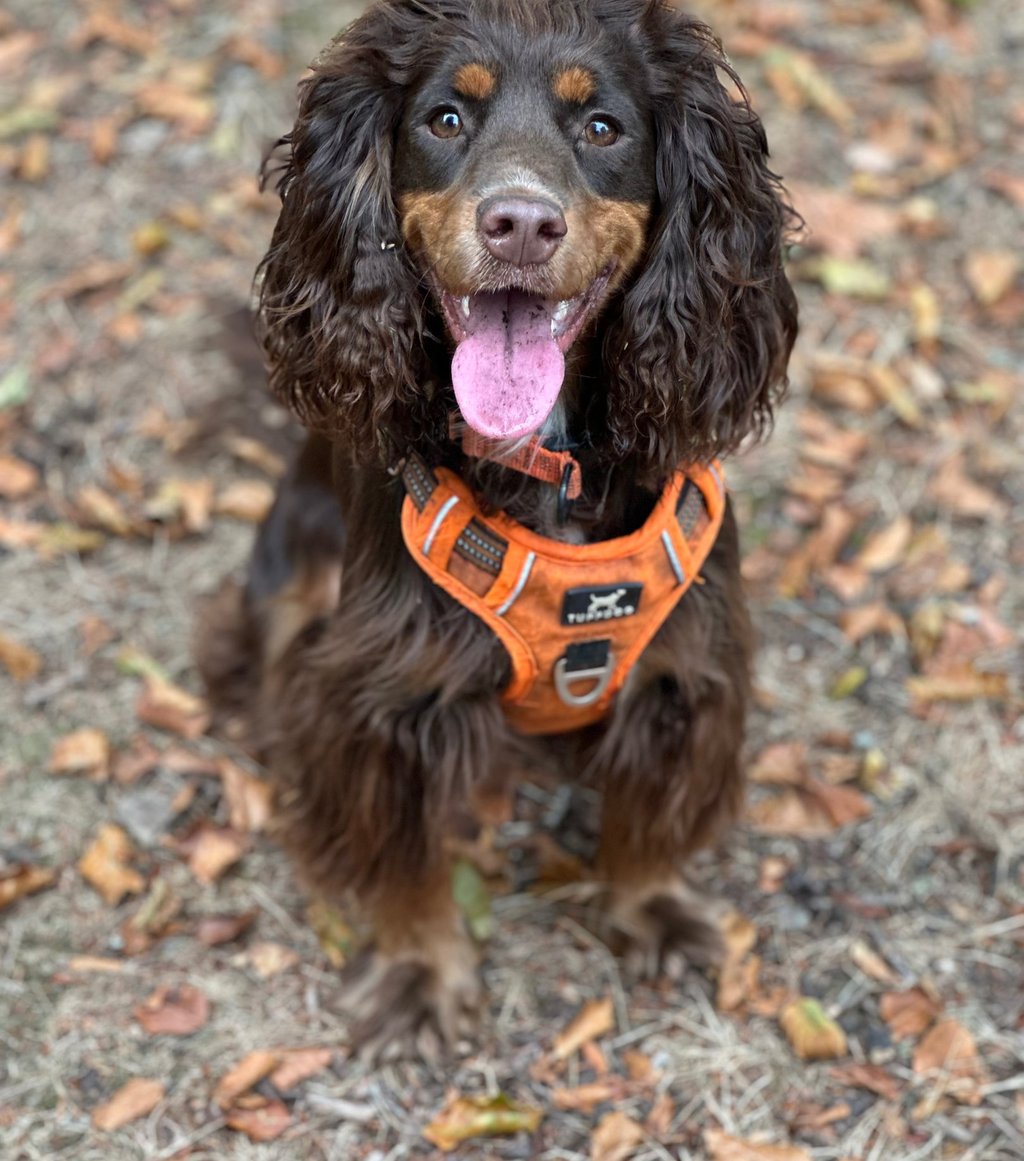
If you live with an adolescent dog, you might feel like everything has suddenly unravelled.
Recall that was once reliable disappears.
Lead walking becomes chaotic.
Focus vanishes.
Big emotions appear seemingly overnight.
Many owners worry they’ve “done something wrong” — or that their dog has forgotten everything they’ve learned.
The truth is far more reassuring:
Adolescence is a completely normal, but challenging stage of a dog’s development.
What Is Adolescence in Dogs?
Dog adolescence typically begins anywhere between 6–9 months and can last well into 18–24 months, depending on breed and individual development.
During this stage:
hormones fluctuate
impulse control drops
emotional regulation is still developing
the brain is rewiring
Dogs are not being difficult on purpose. They are learning how to cope with a changing body and a much bigger, more stimulating world.
Why Adolescent Dogs Seem to “Forget” Their Training
One of the most frustrating parts of adolescence is that dogs appear to lose skills they once had.
This can include:
unreliable recall
pulling on the lead
reduced focus
selective hearing
This isn’t defiance — it’s development.
During adolescence, dogs often struggle to access learned behaviours when arousal or excitement is high. The skills haven’t gone — they’re just harder to reach in that moment.
The Stress Bucket Fills Faster in Adolescence
Adolescent dogs often have smaller stress buckets than adult dogs.
Everything adds to it:
new environments
other dogs
smells and movement
expectations to behave
When the bucket fills, behaviour spills over.
That spill might look like:
zooming
barking
pulling
ignoring recall
becoming mouthy or over-excited
Understanding this helps owners stop taking behaviour personally — and start supporting their dog more effectively.
Breed Genetics Amplify Adolescent Behaviour
Adolescence often highlights what dogs were bred to do.
For example:
gundog breeds may become more scent-driven and forward
herding breeds may become more sensitive to movement
terriers may show increased intensity and independence
working breeds may struggle more with impulse control
Expecting adolescent dogs to behave like calm adults ignores both age and genetics. Adjusting training and walking expectations during this phase is key.
Walks Are Often the Hardest Part
For many adolescent dogs, walks are where everything falls apart.
This might look like:
pulling hard on the lead
barking or lunging
over-arousal around other dogs
poor recall off lead
Walks combine:
excitement
pressure
social interaction
environmental challenges
It’s a lot for a developing brain.
Supporting adolescent dogs on walks often means:
reducing expectations
choosing environments carefully
prioritising engagement over distance
allowing decompression time
Why “More Control” Often Makes Things Worse
It’s common for owners to respond to adolescence by tightening rules or increasing pressure.
Unfortunately, this often leads to:
frustration
conflict
increased arousal
reduced engagement
Adolescent dogs don’t need harsher handling — they need clear guidance, structure, and support.
What Actually Helps Adolescent Dogs
Adolescence isn’t about pushing through — it’s about adapting.
Helpful approaches often include:
focusing on relationship and engagement
revisiting foundation skills in low-distraction environments
managing arousal before expecting behaviour
allowing rest and recovery days
supporting emotional regulation
Training during adolescence is less about teaching new skills and more about helping dogs use the skills they already have.
Reframing Adolescence
Adolescence can feel exhausting — but it’s also a critical learning window.
Dogs who are supported through this stage often:
emerge more resilient
build stronger relationships with their owners
develop better long-term coping skills
This phase doesn’t last forever — but how it’s handled matters.
Final Thoughts
Adolescent dogs aren’t broken, naughty, or out of control.
They are learning how to exist in a complex world with a developing brain.
With the right support, structure, and understanding, this stage can become far more manageable — and far less stressful for everyone involved.
If life with an adolescent dog feels overwhelming, structured support can make a huge difference. Guidance tailored to this developmental stage helps dogs — and owners — navigate adolescence with far more confidence. I’m here to help.
CONTACT
Questions? Reach out anytime, we're here.
Phone
07928 412653
© 2025. All rights reserved.