
Kids and Dogs: Building Respect, Confidence & Happy Relationships
Kids and dogs can build wonderful relationships with the right support. Learn about boundaries, dog body language, confidence building, and keeping children and dogs safe together..
1/18/20263 min read
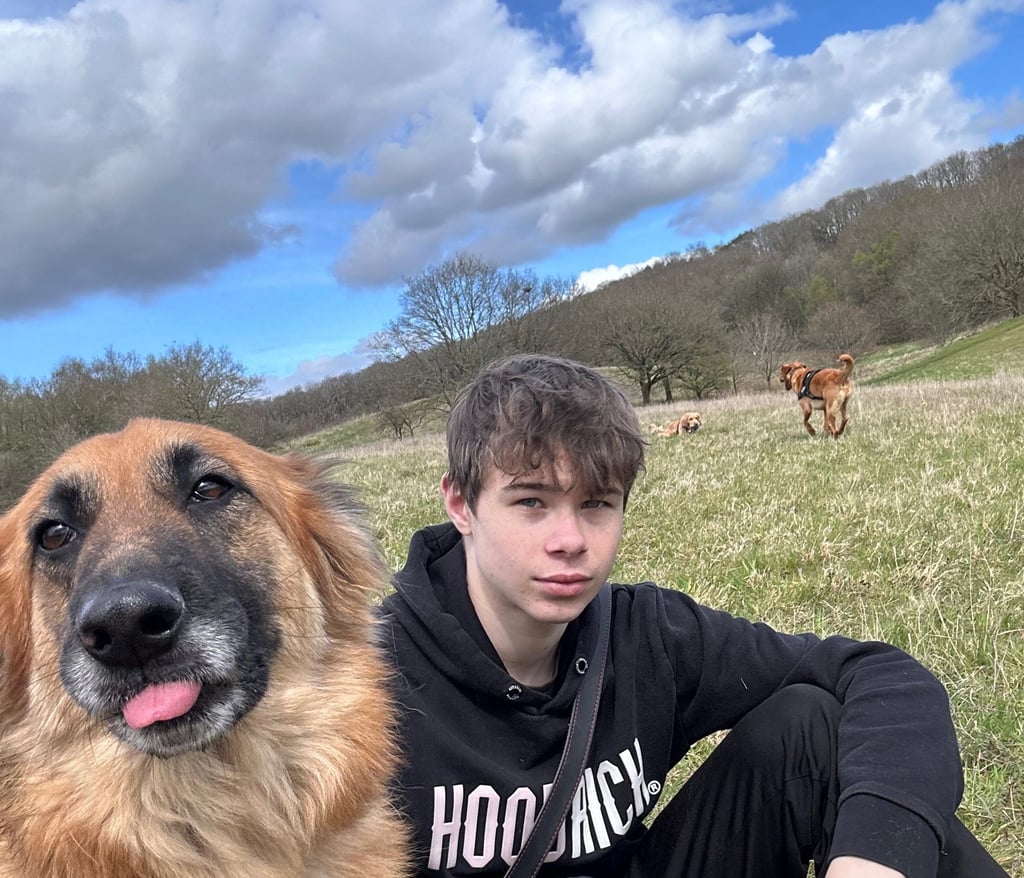
Children and dogs can have some of the most rewarding relationships. They can grow up together, learn together, and form strong emotional bonds that last a lifetime. But safe, happy relationships between kids and dogs don’t happen by accident. They are built through guidance, understanding, clear boundaries, and adult support — for both children and dogs. When this support is in place, dogs feel safe, children feel confident, and family life becomes calmer and more enjoyable.
Kids and Dogs Learn in Very Similar Ways
Although children and dogs experience the world differently, they actually share many similarities in how they learn and cope.
Both children and dogs are still developing the ability to:
manage excitement
regulate emotions
read body language
understand personal space
cope with big feelings
Puppies, like young children, are learning how to behave in a busy, unpredictable world. They don’t yet have the skills to always cope calmly — especially when routines change or excitement levels rise.
Importantly, both children and dogs tend to do best with:
routine
predictability
clear communication
gentle but consistent boundaries
Difficulties don’t arise because children are “too much” or dogs are “unpredictable”. They arise when neither has been supported with the structure they need to feel safe.
Why Boundaries Matter for Children and Dogs
Boundaries are sometimes misunderstood as being restrictive or negative. In reality, boundaries are what create safety — and safety allows confidence and trust to grow.
Healthy boundaries:
help children feel secure
help dogs feel understood
reduce stress and misunderstandings
prevent situations from escalating
Just as children don’t enjoy being grabbed, crowded, or disturbed when resting, dogs feel the same way. Teaching children to respect a dog’s boundaries also teaches them something vital:
their own boundaries matter too.
When Adults Miss Dog Body Language
One of the biggest risks in households with children and dogs is not children themselves — it’s that many adults don’t recognise early signs of stress in dogs. Dogs communicate discomfort subtly long before they escalate.
Signs that are often missed include:
turning the head away
licking lips or yawning
freezing or going still
moving out of reach
choosing to walk away
When these signals are ignored, dogs learn that calm communication doesn’t work. Over time, they may feel forced to escalate their behaviour to be heard. Understanding dog body language around children is one of the most important steps in keeping everyone safe.
How Adults Accidentally Encourage Unsafe Habits
Many unsafe interactions between kids and dogs are unintentionally encouraged by adults. Behaviours that are often normalised include:
hugging dogs
kissing dogs on the face
allowing grabbing, climbing, or leaning
expecting dogs to “put up with it”
These actions may look affectionate, but for many dogs they are uncomfortable or stressful — even if the dog appears tolerant. When children are encouraged to hug or kiss dogs, they learn habits that increase risk rather than connection. Teaching children dog-friendly ways to interact is far safer and far more respectful.
Teaching Children Safe and Respectful Interaction With Dogs
Children can learn to be excellent dog companions when they are shown what safe interaction looks like.
This includes understanding that:
dogs don’t always want cuddles
walking away is communication, not rejection
calm behaviour helps dogs feel calm
fast movements and loud noises can feel overwhelming
Learning these skills builds empathy and awareness — not fear. It also helps children develop emotional intelligence that benefits them far beyond their relationship with dogs
Helping Nervous Children Feel Confident Around Dogs
Not all children feel confident around dogs, even friendly ones.
Children may feel nervous due to:
a previous scare
lack of experience
unpredictable behaviour from dogs they’ve met
not knowing how to behave safely
Confidence cannot be forced.
Children build confidence best when:
they are given choice
interactions are predictable
dogs are calm and well managed
progress happens slowly and positively
Sometimes simply watching, learning, or being involved without touching is the perfect starting point. That still counts as progress.
Supporting Dogs Living With Children
Dogs in family homes also need support.
This includes:
having safe spaces where they won’t be disturbed
being allowed uninterrupted rest
having adults step in before situations become overwhelming
Dogs should never be expected to tolerate constant handling or unpredictable interactions. When dogs feel protected and understood, they relax — and relaxed dogs make safer companions.
The Adult’s Role in Keeping Children and Dogs Safe
Children and dogs should never be expected to manage relationships alone.
Adults are responsible for:
setting clear household rules
modelling respectful behaviour
recognising early signs of stress
advocating for both child and dog
Good supervision doesn’t mean hovering. It means awareness, guidance, and stepping in early.
Building Positive Relationships Between Children and Dogs
When children and dogs are supported properly:
children grow in confidence and empathy
dogs feel safe and understood
relationships develop naturally and positively
These early experiences shape how children feel about dogs for life — and how dogs feel about children too.
Final Thoughts
Helping children and dogs build safe, respectful relationships isn’t about fear or strict rules.
It’s about understanding, structure, and kindness — for both.
When we teach children how dogs communicate, and we support dogs when they need space, everyone benefits.
If you’d like support helping children and dogs build calm, confident relationships, tailored guidance can make a real difference. You’re welcome to get in touch to chat things through.
CONTACT
Questions? Reach out anytime, we're here.
Phone
07928 412653
© 2025. All rights reserved.