
Choosing a Dog Walker, Sitter, or Boarder: Why "Cheap" is the Most Expensive Mistake You Can Make
Thinking of hiring a dog walker, sitter, or home boarder? Before you hand over the lead, you need to know the hidden risks of an unregulated industry. In this guide, we break down the legal differences between sitting and boarding, why "cheap" care can lead to expensive behavioral issues, and the biological reason why your "confident" dog might actually be struggling in a group walk. Learn how to spot a true professional, understand the real costs of expert care, and ensure your dog’s safety and mental health are never compromised for the sake of "pocket money" prices.
5/3/20264 min read
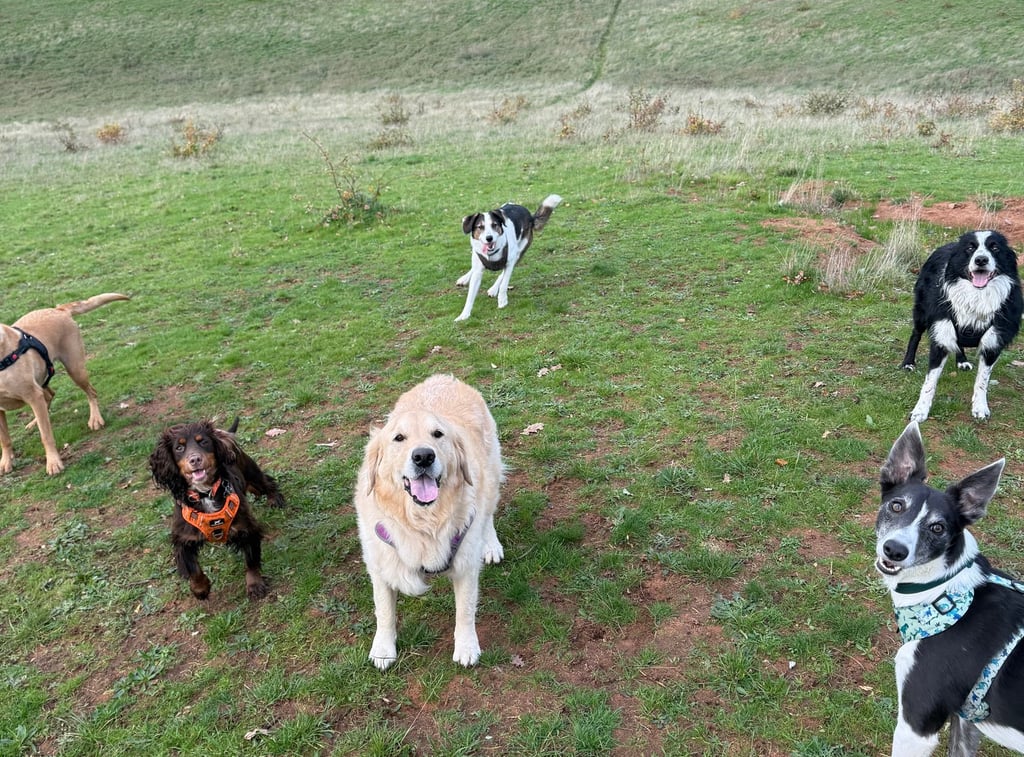
When you hire someone to look after your dog, you aren't just paying for a stroll or a bed for the night. You are trusting a living, breathing, sentient member of your family to a stranger. In an industry that is shockingly under-regulated, you need to know exactly what you are paying for—and more importantly, what you aren't.
The Law: Sitter vs. Boarder (And why it matters to you)
People often use these terms interchangeably, but they are very different in the eyes of the law.
The Pet Sitter: They come to your home. Currently, this is unregulated by local councils, meaning they don’t need a specific license to operate. However, because they are in your private space and handling your dog, the "minimum" bar should still be incredibly high. You should insist on a DBS check, high-level Public Liability and Care, Custody & Control insurance, and in-person Canine First Aid training.
The Home Boarder: Your dog stays in their home. This is strictly regulated. By law, a home boarder MUST have a valid license from the local authority (e.g., Dudley or Sandwell Council). They are inspected, have strict welfare ratios (limiting how many dogs they can have), and must follow specific rules regarding the home environment. Ask to see the certificate. If they aren't licensed, they are operating illegally, and their insurance is likely void if something goes wrong.
The "Walk" vs. The "Field Play"
As a trainer, I’m a stickler for terminology here. Words matter because they set expectations for your dog’s mental health.
The Group Walk: This involves a handler navigating the real world—parks, streets, and woods—with a small, matched group of dogs. It requires immense skill to manage multiple leads, read body language, and advocate for those dogs when a "friendly" off-lead stranger charges toward them.
The Secure Field: Many "walkers" drive a van-full of dogs to a fenced field for an hour. I don't believe this should be advertised as a "walk"—it’s group play. Now, don't get me wrong, private field sessions can be fantastic for the right dogs with the right handler. A pro handler will keep the dogs moving, engaged, and mentally entertained, rather than just chucking a ball or walking laps of the perimeter. However, these fields can be pressure cookers for over-arousal. If the energy isn't being actively managed, you aren't paying for exercise; you're paying for your dog to spend an hour in a high-cortisol state. You can read more about over arousal in my previous blogs Why Calm is a skill & Why over ‘excited dogs’ are actually stressed
The Solo Walk: This is for dogs from one household only. It costs more because you are paying for that professional's undivided attention.
Why the "Professional" Price Tag?
I often hear people say, "It's just a bit of pocket money," or "They're just sitting watching the dogs." But a professional isn't just "accepting minimum wage." We are running a business that ensures your dog stays safe. When you pay a professional rate, you are funding:
The Overheads: Specialised van conversions, professional-grade equipment, and high-level insurance.
The Logistics: We often drive large distances to pick up and drop off dogs, as well as traveling to specific, suitable walking spots that provide the best environment for your dog's needs.
The Safety Net: As self-employed professionals, we have to put money aside for our own sick pay and holiday pay, as well as constant CPD (Continued Professional Development) to ensure our knowledge is up to date with the latest science.
The Gear: We go through footwear and waterproof clothing at an alarming rate in the British weather to ensure we can keep showing up for your dog, rain or shine.
The Reality of Sitting and Boarding
There is a common myth that sitting is "easy money" because the person is just "living in your house." In reality, they are living out of a suitcase, away from their own family and creature comforts, and often managing a dog that is understandably unsettled.
Owners going away can be a trauma for a dog. Even if they stay in their own home, their routine is shattered. They might wake in the night, refuse food, or struggle to relax with a "virtual stranger." A professional has the skills to settle an anxious dog in these challenging situations. Whether it's a dog in a boarder’s home or a sitter in yours, that first night can be a long one. A teenager looking for pocket money simply won't have the maturity or the "toolbox" to handle a dog that is pacing or crying at 3 AM because they miss their handler.
The Truth About Groups: Coping vs. Enjoying
Not every dog is a "group walk" dog. Owners often think their dog is "confident" because they are charging around, but frequently that dog is actually anxious and has no other way to cope with the pressure of a group.
A good walker will tell you the truth. They will tell you if your dog isn't coping and might suggest a solo walk or a different environment.
A hobbyist may just let the dog "get on with it" because they need the money, leading to long-term behavioural issues like reactivity or shut-down.
The Professional Paperwork Trail
If your walker or sitter "just takes cash" and doesn't ask you to sign anything, run. A professional will have a mountain of paperwork to protect you and your dog:
Terms & Conditions: Defining exactly what happens in every scenario.
Vet Release Forms: So they can act immediately in an emergency.
Key/Consent Forms: Covering everything from off-lead permissions to photo privacy.
The Bottom Line
Your dog is a sentient being, not a lawn that needs mowing. Entrusting them to someone "casual" might save you £10 now, but it could cost you thousands in vet bills or training fees later when an unpredictable situation—like a dog fight or a medical emergency—is handled poorly.
Professional care is an investment in your dog’s safety and mental health. Don't be afraid to ask the hard questions—a true professional will be proud to show you their credentials.
CONTACT
Questions? Reach out anytime, we're here.
Phone
07928 412653
© 2025. All rights reserved.