
Why “Over-Excited” Dogs Are Often Actually Stressed
Is your dog “over-excited”? Discover why behaviours that look like excitement are often linked to stress and overstimulation, and how emotional arousal affects dog behaviour.
4/5/20264 min read
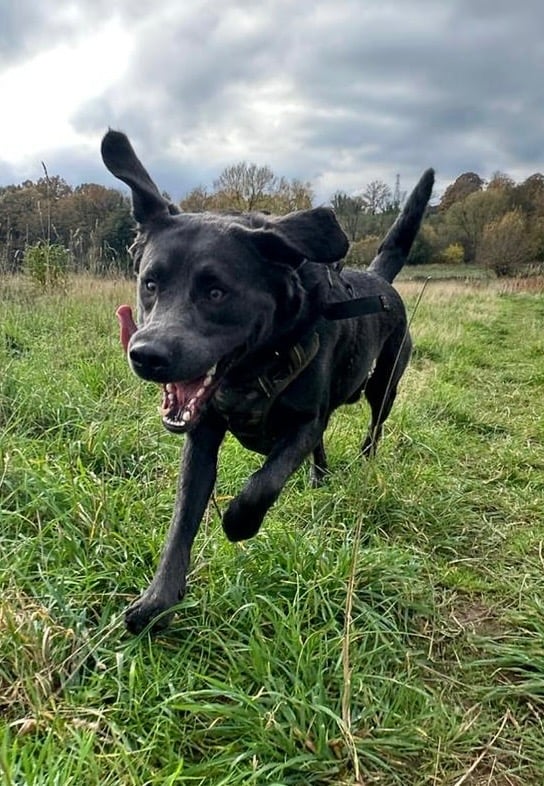
Many dog owners describe their dog as “over-excited.” They may say their dog gets too excited when visitors arrive, when they see other dogs, or when they go out for a walk. The dog might jump, bark, spin, pull on the lead or struggle to settle. Because the behaviour looks energetic and enthusiastic, it is often interpreted as happiness. But in many cases, what looks like excitement can actually be a sign that the dog is feeling overwhelmed or under stress. When dogs become repeatedly over-stimulated, their nervous system can remain in a heightened state of arousal. Over time this can make it much harder for them to relax, regulate their emotions and cope calmly with the world around them. Understanding the difference between excitement and stress can help owners better support their dog’s emotional wellbeing.
Excitement and Stress Can Look Very Similar
Dogs experiencing excitement often show behaviours such as jumping, barking, running or rapid movement. Interestingly, many of these behaviours also appear when dogs are feeling stressed or overwhelmed. When a dog becomes highly stimulated, their body releases adrenaline and other stress hormones. This prepares the dog to respond quickly to what is happening around them. While this response can look like excitement, it is actually part of the body’s stress response. Adrenaline prepares the dog to react quickly to the environment, but when it remains elevated it can make it much harder for the dog to regulate their behaviour or return to a calm state.
Arousal Levels Matter
In behaviour science, trainers often talk about arousal levels. Arousal describes how stimulated or activated a dog’s nervous system is in a particular moment. Low arousal might look like a relaxed dog resting quietly or calmly exploring their surroundings. High arousal might look like intense excitement, frantic movement or difficulty settling. When arousal rises too high, a dog’s ability to think clearly and respond to cues can decrease dramatically. This is closely related to the idea of training thresholds, which are discussed in more detail in Thresholds in Dog Training: Why Timing Matters. Once a dog moves beyond their emotional threshold, learning and decision-making become much more difficult.
When Excitement Turns Into Stress
A short burst of excitement is completely normal for dogs. The problem arises when excitement becomes constant or intense, pushing the dog into a prolonged state of high arousal. When this happens, stress hormones such as cortisol and adrenaline can remain elevated for long periods of time.
This can lead to dogs who:
• struggle to settle at home
• react more strongly to everyday triggers
• become easily frustrated
• find it difficult to focus or listen
Over time, living in a constant state of high arousal can make the world feel overwhelming for some dogs. Helping dogs learn to regulate their emotional state allows them to experience excitement and stimulation without becoming stressed or overloaded.
Why Some Dogs Become Easily Over-Stimulated
Many factors can influence how easily a dog becomes over-stimulated. Breed tendencies can play a role. Dogs bred for high levels of activity and environmental awareness may naturally respond strongly to movement, sound and scent. Age can also be a factor. Adolescent dogs often experience intense bursts of excitement as their brains and hormones develop. Environment matters as well. Busy parks, crowded paths and noisy environments can quickly raise arousal levels. If a dog encounters many stimulating situations in a short space of time, their emotional state can escalate quickly.
High Arousal Makes Self-Control Difficult
When dogs are in a highly aroused state, the part of the brain responsible for impulse control becomes less active. This is why dogs who are very excited often struggle to listen, respond to cues or settle themselves. Owners sometimes interpret this as disobedience or stubbornness, but it is often simply the result of the dog being in a heightened emotional state. If this idea sounds familiar, you may find Why Dogs Listen at Home But Ignore You Outside helpful, as it explores how environmental stimulation affects behaviour.
The Importance of Calm
Helping dogs learn to regulate their emotional state is an important part of training. Calm behaviour does not always come naturally, particularly for young or energetic dogs. Instead, calmness often develops gradually as dogs learn how to cope with the world around them. This is why calm behaviour is something that often needs to be supported and encouraged over time.
You can explore this idea further in Why Calm Is a Skill (Not a Personality Trait).
Recognising the Signs of Rising Arousal
Many dogs show early signs when their arousal levels are beginning to rise.
These might include:
• faster movement
• increased vocalisation
• difficulty focusing
• jumping or spinning
• pulling strongly on the lead
Recognising these signs early can help owners better understand when their dog may be becoming overwhelmed. The earlier these changes are noticed, the easier it is to support the dog before their arousal levels escalate further.
Supporting Dogs in Exciting Environments
For many dogs, learning to cope with exciting environments takes time and thoughtful guidance. Helping dogs gradually experience the world in a way that feels manageable allows them to build confidence and emotional regulation. This might involve carefully choosing environments, managing social interactions and helping dogs develop the ability to settle and relax. Over time, this helps dogs feel more comfortable navigating the many stimulating situations they encounter in everyday life.
Looking Beyond the Label of “Excited”
When we look more closely at behaviour that appears to be excitement, we often see a more complex emotional picture. Dogs who appear “over-excited” are not necessarily misbehaving or trying to cause problems. They may simply be struggling to regulate their emotions in a stimulating environment. Understanding this can shift the way we respond to these behaviours and help us support dogs in developing greater emotional balance.
If you’d like support helping your dog develop calmer behaviour and better emotional regulation, you can find more information about my training services here:
www.thepaw-sitiveexperience.co.uk
Based in Stourbridge, I work with owners to help dogs build calm focus and confidence in real-world situations.
CONTACT
Questions? Reach out anytime, we're here.
Phone
07928 412653
© 2025. All rights reserved.