
Why Tired Dogs Are Not Always Happy Dogs
Is a tired dog always a happy dog? Discover why constant exercise doesn’t always solve behaviour problems and how overstimulation can affect your dog’s ability to relax.
4/12/20264 min read
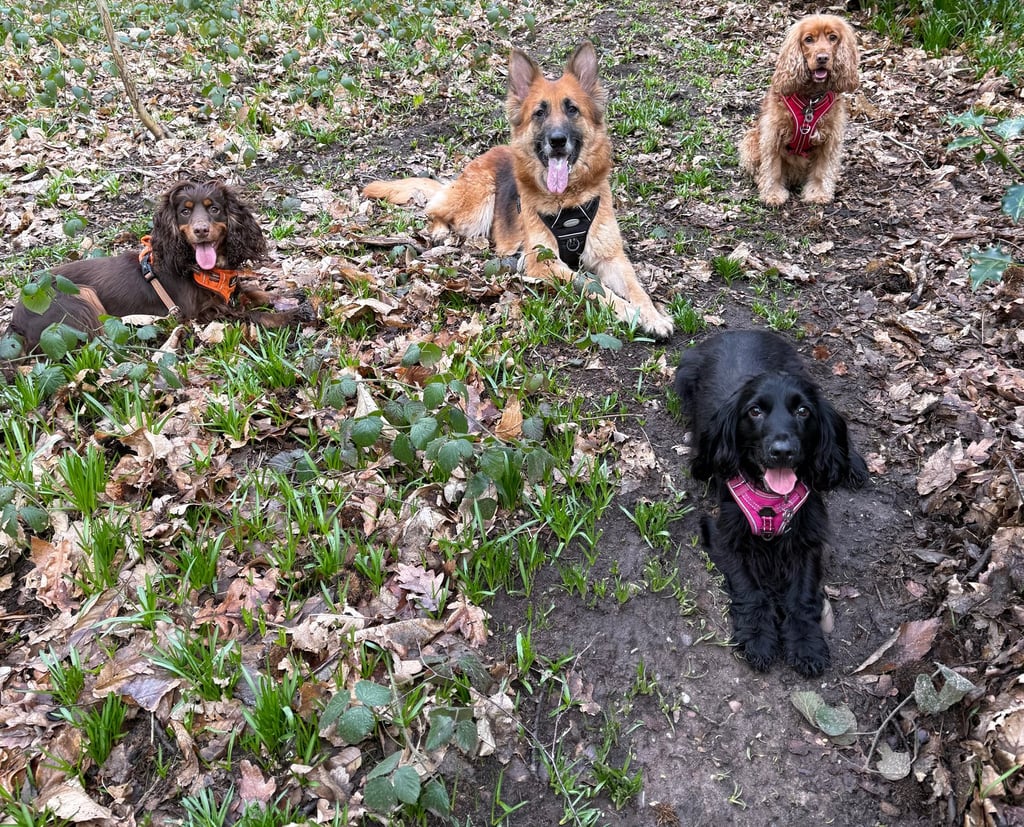
“A tired dog is a good dog.” It’s a phrase many dog owners have heard countless times. The idea is simple: if a dog gets enough exercise, they will be calmer, better behaved and easier to live with. While exercise is certainly important for a dog’s wellbeing, the idea that simply making a dog physically tired will solve behaviour problems is often misleading. In reality, constantly trying to exhaust a dog can sometimes make behaviour challenges worse rather than better. Understanding the difference between healthy exercise and chronic overstimulation can make a significant difference to a dog’s emotional wellbeing.
Exercise Is Important — But It Isn’t Everything
Dogs need opportunities to move, explore and engage with the world around them. Regular walks, play and appropriate activity all contribute to physical health and mental wellbeing. However, exercise is only one part of what dogs need.
Dogs also need:
• mental stimulation
• opportunities to relax
• time to process their environment
• the ability to regulate their emotions
Without these things, even a physically tired dog may still struggle to settle.
More Exercise Can Sometimes Create More Excitement
One of the challenges with relying solely on exercise to manage behaviour is that it can unintentionally increase a dog’s overall arousal levels. Activities that involve high-speed running, chasing or constant stimulation can cause adrenaline levels to rise. When these activities happen frequently without enough opportunities for calm recovery, some dogs can begin to live in a state of constant high arousal. This can lead to dogs who appear endlessly energetic, restless or unable to switch off.
If this sounds familiar, you may find Why “Over‑Excited” Dogs Are Often Actually Stressed helpful, as it explores how high arousal can affect behaviour.
The Role of Stress Hormones
When dogs become highly stimulated, their bodies release hormones such as adrenaline and cortisol. These hormones are part of the body’s natural stress response. They help the dog react quickly to the environment and prepare for action. Short bursts of these hormones are completely normal. The problem arises when they remain elevated for long periods of time. When dogs experience constant excitement, intense play or repeated stimulation without adequate recovery time, these stress hormones can remain in the system longer than we might expect.
Over time, this can contribute to dogs who:
• struggle to relax
• react more strongly to everyday triggers
• become easily frustrated
• find it difficult to focus
Mental Enrichment Is Just as Important
Physical exercise is only one way dogs engage with the world. Many dogs benefit just as much — if not more — from activities that engage their brains. Opportunities to sniff, explore and process the environment can be incredibly enriching for dogs. These activities often encourage slower movement and thoughtful engagement with the surroundings. You can read more about the importance of scent exploration in What Your Dog’s Sniffing Actually Means. For many dogs, this type of mental stimulation is far more satisfying than simply covering distance.
Activities such as scent work, training exercises, puzzle toys and interactive games all encourage dogs to think, problem-solve and focus. These types of activities can often be surprisingly tiring for dogs because they require sustained mental effort. Short training sessions, learning new behaviours or practicing familiar skills can provide valuable mental stimulation while also strengthening the relationship between dog and owner.
Puzzle feeders and enrichment toys can also encourage dogs to slow down and work for their food, turning everyday routines into opportunities for mental engagement.
For many dogs, a combination of physical exercise, mental stimulation and opportunities to relax creates a far more balanced and satisfying routine than exercise alone.
Learning to Relax Is a Skill
Just as dogs need to learn many behaviours, they often also need to learn how to relax. Some dogs naturally find it difficult to settle, particularly those who are highly energetic, easily stimulated or still developing emotional regulation. Without guidance, these dogs can remain in a cycle of excitement followed by exhaustion, only to repeat the pattern again. Helping dogs learn calm behaviour is an important part of supporting their wellbeing. This idea is explored further in Why Calm Is a Skill (Not a Personality Trait).
When Dogs Become “Exercise Fit”
Another common issue is that dogs quickly become fit for the level of exercise they receive. If a dog is regularly pushed to run further and further distances, their stamina will gradually increase. This means that what once made them tired may eventually become their new normal. Owners can then find themselves increasing activity levels again and again in an attempt to keep the dog calm. In some cases, this creates dogs who need enormous amounts of exercise but still struggle to settle afterwards. Dogs who are constantly exercised harder and harder don’t necessarily become calmer — they often simply become fitter athletes.
Balance Is the Key
Healthy dogs benefit from a balance of activity, exploration and rest. Walks that allow dogs to explore the environment, opportunities for calm interaction and time to relax are all important parts of a dog’s daily routine. Exercise should support a dog’s wellbeing, not push them into a constant cycle of excitement and exhaustion. When dogs are given opportunities to regulate their emotional state as well as move their bodies, they are often better able to cope with everyday life.
Looking Beyond the “Tired Dog” Myth
The idea that a tired dog is always a happy dog is a simple one, but real life is often more complex. Dogs who appear endlessly energetic are not necessarily lacking exercise. Sometimes they may simply be struggling with overstimulation or difficulty regulating their emotions. By looking beyond the idea of simply tiring dogs out, owners can begin to support their dogs in developing calmer, more balanced behaviour.
If you’d like support helping your dog develop calm focus and emotional regulation, you can find more information about my training classes and services here:
www.thepaw-sitiveexperience.co.uk
Based in Stourbridge, I work with owners to help dogs build confidence, calmness and reliable behaviour in real-world environments.
CONTACT
Questions? Reach out anytime, we're here.
Phone
07928 412653
© 2025. All rights reserved.